%2Ffit-in%2F250x250%2Fguide_websites%2F11013%2Fimages%2Ftemplogossheet.png&w=1920&q=100)
Red Porgy Fishing off Wrightsville Beach NC
Red Porgy Fishing in Wrightsville Beach - What to Expect
%2F%2Fusers%2Fa88b4bdc-647e-438b-95eb-d4246b283538%2Fimages%2Fred-porgy-wrightsville-beach-fishing-2622.jpg&w=1920&q=75)
Fishing Charter by Captain Jason Garay in June

Meet your Captain Jason Garay
- Your Top Wrightsville Beach, NC Charter Awaits.


Summary
Catching red porgy on a fishing charter off Wrightsville Beach proved to be a rewarding Saturday in June. Captain Jason Garay with Let's Hook Up Charters guided the action through the Atlantic waters, where these hard-fighting fish delivered consistent strikes and memorable moments.
Fishing Charter with Captain Jason Garay - Rates & Booking
Captain Jason Garay of Let's Hook Up Charters led the fishing charter off Wrightsville Beach on Saturday, June 13th. This hands-on experience put us on red porgy grounds in the Atlantic, where patience and technique made the difference between good trips and great ones. Captain Garay provided local expertise that kept us focused on productive areas and fishing methods that worked.
For those looking to book a similar charter, contact Let's Hook Up Charters to discuss availability, group size, and what gear is provided. The charter operates out of Wrightsville Beach, making it easy to access quality offshore fishing without extensive travel. A local captain who knows the water well is worth its weight in gold, especially when targeting specific species.
Highlights of Red Porgy Fishing
Red porgy are scrappy bottom-dwellers that hit hard and fight consistently. Their bronze and red coloring makes them beautiful to see up close, and their willingness to take baited rigs keeps the action steady throughout the day. The offshore environment off Wrightsville Beach provided clear water and good holding structure where these fish congregate.
What stood out most was the consistency of bites once we located the right depth and structure. Red porgy respond well to patience and proper technique, rewarding anglers who pay attention to their tackle and presentation.
Local Species Insights: Red Porgy
Red porgy inhabit structure-rich areas of the Atlantic continental shelf, typically found at depths ranging from 60 to 200 feet. They prefer rocky bottom, reef formations, and wreck structures where they feed on crustaceans and small fish. Their habitat preferences make offshore locations near Wrightsville Beach ideal fishing grounds.
These fish are known for their strong bottom-hugging behavior, which means they fight hard when hooked and try to return to cover quickly. They also travel in schools, so once you find one, more usually follow. Captain Garay's knowledge of local bottom composition and historical catch patterns put us in front of actively feeding fish.
Red porgy have a distinctive appearance with their reddish-bronze body coloring and vertical bars along their sides. They're table-fare quality fish, making them rewarding both as sport and as a dinner prospect. The offshore waters off North Carolina support a healthy red porgy population, and the timing of this June charter aligned well with their active feeding period.
Beyond the species itself, the Atlantic environment shapes the entire experience. The offshore waters provided good visibility, manageable sea conditions, and the kind of scenery that reminds you why fishing pulls people back again and again. Working with a local captain who understands seasonal patterns and fish behavior transformed this from just another fishing day into a memorable outing.
Plan Your Fishing Day
A charter with Let's Hook Up Charters typically involves an early start to maximize daylight on the water. Bring seasickness medication if you're prone to motion, comfortable shoes with good grip, and sunscreen. Most charters provide rods and reels, but confirm gear details when booking.
The offshore location means exposure to sun and wind, so plan accordingly with layers and protection. The boat provides the platform and expertise; what you bring is your willingness to learn and focus on the presentation. Even if red porgy aren't actively biting, the offshore environment and Captain Garay's guidance make it a solid day on the water.
Fishing in Wrightsville Beach, Atlantic Ocean: Red Porgy
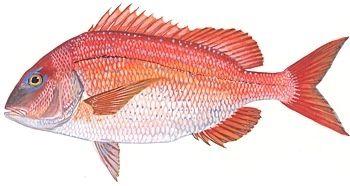
Red Porgy Overview
The Red Porgy (Pagrus Pagrus), commonly called Common Seabream in some regions, is a prized game and food fish belonging to the family Sparidae within the order Perciformes. Known for its striking pale red metallic coloration, oblong body shape, and rounded nose, this species has captured the attention of anglers and seafood enthusiasts alike. What makes the Red Porgy particularly fascinating is its unique hermaphroditic nature—these fish start life capable of both reproduction roles before eventually changing gender. Unlike many fish species, the Red Porgy possesses a rare round rear nostril, setting it apart from its cousins in the Sparidae family. Whether you're pursuing them off coastal jetties in Miami or exploring Mediterranean fishing grounds, Red Porgies offer both an exciting angling challenge and exceptional culinary rewards.
Red Porgy Habitat and Distribution
Red Porgies show a strong preference for warm coastal waters, thriving in tropical and subtropical environments worldwide. These fish are typically found near rocky reefs, jetties, bays, and harbors where structural complexity provides shelter and feeding opportunities. While they're capable of diving to depths between 30 and 260 feet, most Red Porgies spend considerable time near the surface hunting for food. Younger specimens favor sea grasslands and vegetated areas, while mature adults adapt well to soft sediments and sandy regions. The species shows particular abundance in rocky outcrops and reef systems where crustaceans and mollusks—their preferred prey—concentrate. Patience near these rocky areas often rewards anglers with successful encounters.
Red Porgy Size and Weight
Typical Red Porgies measure around 13 inches in length, making them a manageable size for recreational anglers. However, these fish display impressive growth potential under favorable conditions. In undisturbed populations, Red Porgies commonly reach 30 inches, with documented specimens exceeding 35 inches in length. Weight correlates proportionally with length; young fish typically weigh around 4 pounds, while mature adults range between 19 to 37 pounds. The largest specimens offer memorable fighting power and substantial table fare, making size-selective fishing strategies worthwhile for dedicated enthusiasts.
Red Porgy Diet and Behavior
Red Porgies are opportunistic carnivores with refined tastes for crustaceans, mollusks, and small fish species. They particularly favor small crabs, shrimps, snails, and clams, demonstrating a preference for bite-sized prey not exceeding 2 inches. Their menu also includes sea urchins, worms, and occasional squid—a dietary versatility that makes them responsive to various bait presentations. What anglers quickly learn is that Red Porgies, while generally not picky eaters, exhibit shy behavior and maintain cautious distance from boats. This wariness requires strategic patience and subtle presentation rather than aggressive casting. The species exhibits active feeding during daylight hours, particularly around dawn and dusk, when they venture from deeper refuges toward shallow feeding zones. Their intelligence and selective feeding patterns make them a rewarding challenge for technique-focused anglers.
Red Porgy Spawning and Seasonal Activity
Spawning behavior in Red Porgies is influenced by water temperature and photoperiod, typically intensifying during warmer months when coastal waters reach optimal breeding temperatures. The species' hermaphroditic reproductive strategy adds complexity to population dynamics; fish transition between genders based on environmental factors and social hierarchy within their habitat. Environmental cues such as temperature fluctuations, food availability, and population density may trigger gender transitions, allowing the species remarkable reproductive flexibility. Peak fishing activity generally coincides with seasonal abundance patterns, with many coastal regions experiencing productive periods during late spring through early fall when water temperatures stabilize and Red Porgies move into shallower feeding zones.
Red Porgy Techniques for Observation or Capture
Method One: Rod and Reel with Live or Cut Bait
The most effective approach involves medium-action rods paired with quality reels loaded with 15-20 pound test line. Rig small clams, squid strips, or fresh-cut shrimp on circle hooks (size 2/0 to 4/0) and target rocky reefs and jetty structures during slack tide periods. Present the bait naturally near the bottom where Red Porgies forage, maintaining light contact to detect their characteristically cautious bite. Around coastal areas from Florida to the Mid-Atlantic, jetty fishing during early morning hours yields consistent results.
Method Two: Fish Traps and Handlines
Traditional fish traps baited with fresh crab attract Red Porgies searching for crustacean meals. Deploy traps in 30-60 foot depths near rocky outcrops and rocky reefs, then exercise patience—these fish actively investigate trap entrances while foraging. Handlines work equally well for anglers preferring a more personal connection to the fish, allowing subtle line sensitivity to detect feeding activity. This low-tech approach proves particularly effective around harbors and protected bays.
Method Three: Trolling and Targeted Depth Fishing
Once you've identified Red Porgy habitat through local knowledge or electronics, trolling small artificial lures or live baitfish at controlled depths produces consistent contact. Vary your trolling speed between 2-4 knots, allowing lures to work near structural elements. The key is locating schools first—talk to local tackle shops and experienced captains who know seasonal concentration areas. In established fishing grounds, this methodical approach significantly increases contact rates.
Red Porgy Culinary and Utilization Notes
Red Porgies deserve their excellent reputation as a culinary fish. The flesh features delicate white meat with a characteristic flaking texture that appeals to both home cooks and professional chefs. The skin possesses an attractive appearance and pleasant texture, adding visual appeal to plated dishes. Versatile cooking methods including steaming, baking, sautéing, and pan-frying showcase the meat's subtle, mild flavor profile perfectly. The species' popularity has led to successful aquaculture operations, ensuring sustainable supply for commercial markets. Nutritionally, Red Porgy provides lean protein with beneficial omega-3 fatty acids, making it a health-conscious seafood choice. Whether prepared simply with lemon and herbs or incorporated into Mediterranean and Asian preparations, Red Porgy offers consistent quality that explains its sustained commercial demand and culinary appreciation worldwide.
Red Porgy Frequently Asked Questions
Q: What is the best bait for catching Red Porgy?
A: Clams, squid strips, and fresh shrimp represent top choices, though Red Porgies aren't particularly picky as long as baits remain small—ideally under 2 inches. Fresh-cut baitfish and small crabs also produce excellent results. The key is presenting natural-looking offerings near the bottom in their preferred habitat.
Q: Where can I find Red Porgy near coastal fishing grounds?
A: Rocky reefs, jetties, and harbor structures hold the most reliable populations. Younger fish favor sea grasslands and vegetated areas, while mature specimens prefer rocky outcrops and soft-bottom zones. Local tackle shops can provide current intelligence on productive locations in your specific area.
Q: Is Red Porgy good to eat?
A: Absolutely—Red Porgy offers excellent eating quality with delicate, flaky white meat and attractive skin texture. The mild flavor works beautifully with simple preparations like steaming, baking, or sautéing. Its culinary popularity has driven commercial aquaculture development, ensuring consistent quality availability.
Q: When is the best time to catch Red Porgy?
A: Early morning and dusk hours during slack tide periods produce the most consistent results. Seasonal activity peaks during warmer months (late spring through early fall) when water temperatures stabilize and Red Porgies move into productive shallow zones. Night fishing also produces good results in some locations.
Q: Why are Red Porgies sometimes called Pink Snappers?
A: This represents a regional naming confusion—Pink Snapper (Pristipomoides filamentosus) belongs to an entirely different family. The name mix-up occasionally occurs in certain states, but they're distinctly different species. Always verify the scientific name when purchasing fish or planning targeted fishing trips.
Q: What equipment do I need for Red Porgy fishing?
A: Medium-action rods, quality reels spooled with 15-20 pound test line, and appropriate terminal tackle (circle hooks in sizes 2/0 to 4/0) comprise the basic setup. Fish traps, handlines, and trolling equipment provide alternative methods depending on your preferred fishing style and target depths. Local conditions dictate specific gear modifications.